Key takeaways
- Compare the best rechargeable battery technology options: lithium-ion, LiFePO4, NiMH and lead-acid. Energy density, lifespan and safety explained.
As an Amazon Associate, we earn from qualifying purchases.
Rechargeable batteries power almost everything in modern life, from phones and laptops to cars, tools and solar storage. But not all rechargeable batteries use the same technology, and the chemistry inside a battery determines how much energy it holds, how long it lasts, how safe it is, and what it costs. Choosing the best rechargeable battery technology means matching the chemistry to the job, because the battery that is perfect for a phone would be a poor choice for a solar storage system, and vice versa.
This guide explains the main rechargeable battery technologies, how they compare, and which one is best for each use. There are no product recommendations in this guide, because the right choice depends on your device and your needs. Instead, this guide gives you the knowledge to choose wisely, whether you are buying a battery for a camera, a tool, a vehicle or a home.
The Main Rechargeable Battery Technologies
Lithium-Ion
Lithium-ion is the most common rechargeable battery technology in the world. It powers phones, laptops, tablets, cameras, power tools, electric bikes and most electric cars. A lithium-ion battery holds a lot of energy for its size and weight, which is why it is the standard choice for portable electronics. It has a high nominal voltage of 3.7 volts per cell, a low self-discharge rate, and no memory effect, which means you can recharge it at any time without harming it.
The drawbacks of lithium-ion are cost, safety, and lifespan. A lithium-ion battery is more expensive than a nickel or lead-acid battery of the same capacity, and it needs a protection circuit to prevent overcharge, over-discharge and overheating. If it is damaged or charged incorrectly, it can overheat and catch fire. A lithium-ion battery also loses capacity over time, typically lasting several hundred charge cycles before its capacity drops noticeably. Despite these drawbacks, lithium-ion is the best choice for most portable devices, because no other technology matches its energy density.
Lithium Iron Phosphate (LiFePO4)
Lithium iron phosphate, often written as LiFePO4 or LFP, is a type of lithium-ion battery that uses iron phosphate instead of cobalt or nickel in its cathode. It is safer than standard lithium-ion, because it is far less likely to overheat, and it lasts much longer, often for thousands of charge cycles. It has a lower nominal voltage of 3.2 volts per cell, and a lower energy density, which means it is heavier and larger for the same amount of energy.
LiFePO4 is the best choice for applications where safety and lifespan matter more than size and weight. It is widely used in solar storage systems, electric bikes, golf carts, marine batteries and backup power. It is also becoming more common in electric cars, where its long life and safety are valued. If you need a battery that will last for years and will not overheat, LiFePO4 is the best technology available.
Nickel-Metal Hydride (NiMH)
Nickel-metal hydride is the technology inside most rechargeable AA and AAA batteries. It is affordable, safe, and easy to use. A NiMH cell delivers 1.2 volts, holds a good capacity, and can be recharged hundreds of times. Modern low self-discharge NiMH cells hold their charge for months on the shelf, which makes them practical for remotes, clocks and other low-drain devices.
NiMH is the best choice for household batteries, because it is cheap, safe, and it fits the devices that already use AA and AAA cells. It is not as energy-dense as lithium-ion, and it loses capacity faster in high-drain use, but for everyday household devices it is the most practical and economical technology. If you want to replace disposable AA batteries with rechargeables, NiMH is the technology to buy.
Lead-Acid
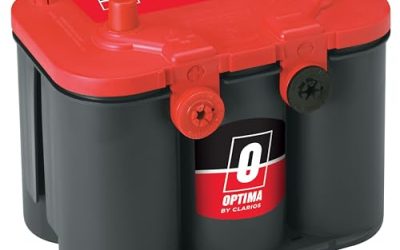
Lead-acid is the oldest rechargeable battery technology, and it is still the standard for car starter batteries. It is cheap, reliable, and it can deliver a very high current for starting an engine. A lead-acid battery is heavy and bulky, and it has a low energy density, but for a car that needs a burst of power to start the engine, it is hard to beat on cost.
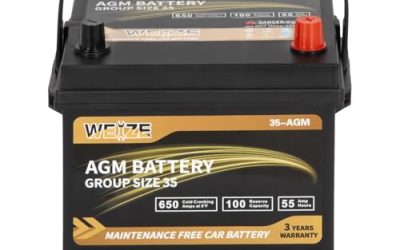
Lead-acid batteries come in two main types: flooded, which needs topping up with water, and sealed AGM, which is maintenance-free and more resistant to vibration. AGM batteries are the better choice for most cars, because they last longer and perform better. Lead-acid is the best choice for car starter batteries and for cheap backup power, but it is a poor choice for portable devices because of its weight and its short cycle life.
Nickel-Cadmium (NiCd)
Nickel-cadmium was once the standard rechargeable battery for power tools, but it has been largely replaced by lithium-ion and NiMH. NiCd batteries are robust, can deliver high current, and work well in cold weather, but they contain cadmium, which is toxic, and they suffer from a memory effect if they are not fully discharged before recharging. They are also less energy-dense than lithium-ion.
NiCd is now a niche technology, used mainly in emergency lighting, aviation and some industrial applications where its robustness matters. For most users, there is no reason to buy a NiCd battery today, because lithium-ion and NiMH are better in almost every way.
Comparing the Technologies
The best rechargeable battery technology depends on what you need. For portable electronics such as phones, laptops and cameras, lithium-ion is the best choice because it holds the most energy for its size and weight. For solar storage, backup power and electric bikes, LiFePO4 is the best choice because it is safe and it lasts for thousands of cycles. For household AA and AAA batteries, NiMH is the best choice because it is cheap, safe and practical. For car starter batteries, lead-acid is the best choice because it is cheap and it delivers high starting current.
Energy density is the most important factor for portable devices, and lithium-ion wins by a wide margin. Lifespan is the most important factor for storage systems, and LiFePO4 wins by a wide margin. Cost is the most important factor for household batteries, and NiMH and lead-acid win. Safety is the most important factor for home storage, and LiFePO4 and NiMH win. There is no single best technology for every use, which is why so many different chemistries are still in production.
How Battery Technology Is Evolving
Battery technology is improving all the time. Solid-state batteries, which replace the liquid electrolyte in a lithium-ion battery with a solid material, promise higher energy density and better safety, and they are expected to reach the market in the coming years. Sodium-ion batteries, which use sodium instead of lithium, promise lower cost and better availability, and they are already being used in some storage systems and low-cost electric vehicles.
Silicon anodes, which replace the graphite anode in a lithium-ion battery with silicon, promise higher capacity, and they are already appearing in some phone and laptop batteries. Lithium-sulfur batteries promise even higher energy density, but they are still in development. The battery you buy today will be better than the battery you bought five years ago, and the battery you buy in five years will be better still.
Choosing the Right Battery for Your Device
When you buy a battery, check the chemistry your device needs. A device designed for a lithium-ion battery should not be fitted with a NiMH battery, and a device designed for a lead-acid battery should not be fitted with a lithium battery unless the maker says it is compatible. The voltage, the size, and the charging requirements are all different, and using the wrong chemistry can damage the device or the battery.
Check the voltage first, because a battery with the wrong voltage can destroy a device. Check the size and the shape, because a battery that does not fit is useless. Check the capacity, because a battery with a lower capacity will run for a shorter time. And check the charging requirements, because a battery charged with the wrong charger can be damaged or can become unsafe.
Battery Care and Safety
All rechargeable batteries last longer if you treat them well. Avoid extremes of heat and cold, because heat shortens battery life and cold reduces performance. Do not leave a battery fully charged or fully flat for a long time, because both extremes age the cells. Use the correct charger for the chemistry, and do not use a charger that is not rated for your battery.
Never use a battery that is swollen, leaking, damaged or hot. Do not puncture, crush or open a battery. Store spare batteries in a cool, dry place, and keep them in a case so they cannot short-circuit against metal objects. Recycle old batteries at a proper battery recycling point, and never throw them away with household waste.
The Environmental Question
Rechargeable batteries are better for the environment than disposable batteries, because one rechargeable cell can replace hundreds of disposables. But they still contain materials that should be recycled, including lithium, cobalt, nickel and lead. Recycling recovers these materials and keeps them out of landfill, where they can pollute soil and water.
When you buy a rechargeable battery, consider its lifespan. A battery that lasts for thousands of cycles is better for the environment than a battery that lasts for a few hundred, even if it costs more. And when a battery reaches the end of its life, recycle it. Most shops that sell batteries will accept old ones for recycling, and many local authorities provide battery recycling points.
Frequently Asked Questions
What is the best rechargeable battery technology overall?
There is no single best technology. Lithium-ion is best for portable electronics, LiFePO4 is best for storage and long life, NiMH is best for household batteries, and lead-acid is best for car starter batteries. The best technology is the one that matches your use.
Is LiFePO4 better than lithium-ion?
LiFePO4 is safer and lasts longer, but it is heavier and holds less energy for its size. For a phone or a laptop, lithium-ion is better. For solar storage or a backup power system, LiFePO4 is better.
How long do rechargeable batteries last?
It depends on the chemistry and how you use it. A lithium-ion battery typically lasts several hundred charge cycles, a LiFePO4 battery lasts for thousands of cycles, a NiMH battery lasts for hundreds of cycles, and a lead-acid battery lasts for a few hundred cycles. Proper care extends the life of any battery.
What is the memory effect?
The memory effect is a loss of capacity that happens when a battery is repeatedly recharged before it is fully discharged. It mainly affects nickel-cadmium batteries. Modern NiMH and lithium-ion batteries do not suffer from a significant memory effect, so you can recharge them at any time.
Will solid-state batteries replace lithium-ion?
Solid-state batteries promise higher energy density and better safety, and they are expected to reach the market in the coming years. They are likely to replace lithium-ion in some applications, but lithium-ion will remain in use for a long time because it is well established and affordable.
The Bottom Line
The best rechargeable battery technology is the one that fits your needs. For a phone, a laptop or a camera, lithium-ion is the best choice. For solar storage, backup power or an electric bike, LiFePO4 is the best choice. For household AA and AAA batteries, NiMH is the best choice. For a car starter battery, lead-acid is the best choice. Understand the chemistry, match it to the job, buy from a reputable brand, and treat your batteries well, and they will serve you for years.