Our Short List of 3

- Best for: Home cooks who want ceramic heat retention and a lifter for mid-cook adjustments.
- Fuel type: Charcoal
- Body material: Thickened ceramic clay
- Cooking surface area: 144 square inches
- Overall size: 20 x 8.8 x 6.3 inches

- Best for: Groups who want the biggest cooking surface and a traditional clay firebox.
- Fuel type: Charcoal
- Body material: Ceramic, handmade clay
- Cooking surface area: 170 square inches
- Dimensions: 10 x 18 x 7 inches

- Best for: Couples who want cast iron searing and simple, mechanical heat control.
- Fuel type: Charcoal
- Body material: Cast iron, pre-seasoned
- Cooking surface area: 109 square inches
- Item weight: 18.61 pounds
All 5 Picks at a Glance
| Product | Specs | Action |
|---|---|---|
| ONLYFIRE GS306 Ceramic Yakitori Grill |
| Check price on Amazon |
| Fire Sense 60450 Yakatori Grill |
| Check price on Amazon |
| IronMaster CI-1608 Pro Cast Iron Grill |
| Check price on Amazon |
 AUPLEX AU-25N Ceramic Yakitori Grill |
| Check price on Amazon |
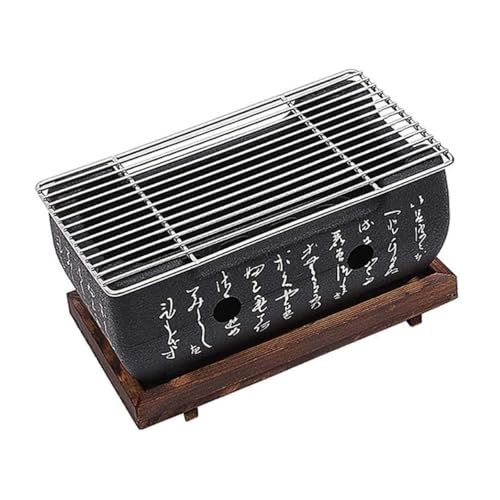 YOOODONNN Mini Yakitori Grill |
| Check price on Amazon |
Key takeaways
- Compare five yakitori grills picked from Amazon listings, from ceramic konro and cast iron hibachi bodies to a light aluminum mini for skewer nights.
Buying a yakitori grill is not really buying a barbecue. The real decision is how your skewers will sit over the coals: close enough to char at the edges, far enough to cook through, and lined up so you can turn a whole row with one hand. That comes down to the shape of the firebox, the material holding the heat, and whether the cooking surface matches the number of skewers you actually serve.
This roundup is for home cooks chasing izakaya-style skewers on a patio or balcony, couples working with a small table, and campers who want a compact charcoal setup. Every pick was chosen from its Amazon listing name and stated specifications, including body material, cooking surface area, dimensions, and the parts included in the box.
Quick Picks
As an Amazon Associate we earn from qualifying purchases
| Product | Best for | Key spec from title |
|---|---|---|
| ONLYFIRE GS306 Ceramic Yakitori Grill | Ceramic heat retention in a portable body | 144 sq in cooking surface |
| Fire Sense 60450 Yakatori Grill | A traditional handmade clay firebox | 170 sq in cooking surface |
| IronMaster CI-1608 Pro Cast Iron Grill | Two-person searing over real coals | Two grate heights, 109 sq in |
| AUPLEX AU-25N Ceramic Yakitori Grill | Small groups around a patio table | 92 sq in ceramic body |
| YOOODONNN Mini Yakitori Grill | Solo skewer sessions and tiny tables | 3.6 lb aluminum alloy body |
How to Choose
Match the firebox shape to skewer cooking
Yakitori works because the food hangs over a narrow bed of coals, not a wide open bowl. A long, shallow firebox keeps every skewer the same distance from the heat, so chicken skin crisps while the meat cooks through. Wide kettle-style grills spread the coals out and leave the ends of each skewer cooking slower than the middle. Before anything else, check the stated cooking surface and the grill’s footprint: a rectangular surface around 14 to 20 inches long suits a row of skewers, while square or round bodies suit mixed grilling more than dedicated skewer work.
Pick a body material you can live with
The listings in this roundup use four materials, and each asks something different of you. Ceramic and clay bodies hold heat steadily and are the traditional konro choice, but they can chip or crack if knocked. Cast iron sears hard and shrugs off rough handling, yet it needs drying and a light coat of oil after use to keep rust away. Stainless steel and aluminum bodies are lighter and simpler to clean, but they lose heat faster once the lid of coals burns down. Match the material to where the grill will live and how carefully it will be stored.
Check how you will control the heat
There is no dial on a charcoal grill, so heat control comes from hardware. Adjustable air vents and dampers let you calm or feed the fire without moving food. A second grate height gives you a quick escape route when fat drips and flames jump. A grid lifter matters more than it sounds: it lets you raise the grate, add charcoal, or rescue a skewer without grabbing hot metal with tongs. When you read a listing, look for these three features by name. A grill with none of them leaves you managing heat by shuffling skewers alone.
Count what the box actually includes
Listings differ sharply on what arrives in the carton. Some include a stainless grate, a charcoal plate, and a lifter; others include only a wire mesh, and dedicated skewer bars are frequently a separate purchase even on premium models. Fuel is never part of the package, so plan for charcoal as well: binchotan is the traditional choice named by many listings, while ordinary briquettes also appear in listing descriptions. Add up the grate, any skewer supports, and your first bag of charcoal before you judge one grill against another on the listing page.
The 5 Best Options
ONLYFIRE GS306 Ceramic Yakitori Grill
- Best for: Home cooks who want ceramic heat retention and a lifter for mid-cook adjustments.
- Fuel type: Charcoal
- Body material: Thickened ceramic clay
- Cooking surface area: 144 square inches
- Overall size: 20 x 8.8 x 6.3 inches
Home cooks who want ceramic heat retention and a lifter for mid-cook adjustments.
At 22 pounds it is portable rather than light, and the ceramic body needs careful handling in transit.
The GS306 is the pick for cooks who want the steady heat of a ceramic firebox without giving up portability. Its thickened ceramic clay body surrounds a stainless steel grate, and the listing includes a grid lifter, so you can raise the cooking grid mid-session to add charcoal or calm a flare-up. Bottom vents handle the slower work of heat control. At 20 inches long it holds a proper row of skewers, and wooden handles on the sides make a hot grill movable once the session ends.
Fire Sense 60450 Yakatori Grill
- Best for: Groups who want the biggest cooking surface and a traditional clay firebox.
- Fuel type: Charcoal
- Body material: Ceramic, handmade clay
- Cooking surface area: 170 square inches
- Dimensions: 10 x 18 x 7 inches
Groups who want the biggest cooking surface and a traditional clay firebox.
Clay is fragile compared with metal bodies, so this grill wants a permanent spot rather than frequent packing.
Fire Sense builds this grill the old way, from handmade clay, and the listing leans on that heritage: superior heat retention, an adjustable air vent, and a chrome cooking grate over the firebox. The cooking surface is the largest in this roundup at 170 square inches, which makes it the natural choice when skewers share space with corn, mushrooms, or a few small fish. Wooden handles keep your hands off the hot ceramic. It reads as a table grill for a group rather than a personal cooker, and the traditional shape suits cooks who value steady, even coals.
IronMaster CI-1608 Pro Cast Iron Grill
- Best for: Couples who want cast iron searing and simple, mechanical heat control.
- Fuel type: Charcoal
- Body material: Cast iron, pre-seasoned
- Cooking surface area: 109 square inches
- Item weight: 18.61 pounds
Couples who want cast iron searing and simple, mechanical heat control.
Cast iron must be dried and lightly oiled after use, and at over 18 pounds it is dense for its size.
The IronMaster takes the opposite route from ceramic: a pre-seasoned cast iron body that can be knocked around in a car boot and still sear properly. Its listing highlights two grate heights, which is the simplest form of heat control there is — drop the grate for a hard char, raise it when skewers need gentler heat. An air control vent and a coal door round out the fire management, and the 109 square inch surface is honestly sized for two people. This is the hibachi-style pick for couples who cook outdoors often and want hardware that forgives neglect.
AUPLEX AU-25N Ceramic Yakitori Grill
- Best for: Small groups and balcony tables that need a heat shield under the firebox.
- Fuel type: Charcoal
- Body material: Ceramic
- Cooking surface area: 92 square inches
- Format: Square, 16 x 9 inches
Small groups and balcony tables that need a heat shield under the firebox.
The 92 square inch surface fills quickly, so batch cooking comes with this size.
AUPLEX’s square ceramic grill is built for the tabletop end of the market: a 16 by 9 inch body with a bamboo heat shield underneath, so the table surface is protected while the coals do their work. The cooking surface is 92 square inches, the smallest of the ceramic picks here, which suits skewers for a small group rather than a party. Ceramic walls hold heat evenly once the charcoal is lit, and the square format gives skewers a straight run across the firebox. It is a tidy option for balconies where a long grill would crowd the table.
YOOODONNN Mini Yakitori Grill
- Best for: Solo cooks and campers who need the lightest possible charcoal setup.
- Fuel type: Charcoal
- Body material: Aluminum alloy with composite wood base
- Size L: 4.9 x 4.5 x 9.4 inches, 3.6 pounds
- Size XL: 6.7 x 4.73 x 13.6 inches, 7.3 pounds
Solo cooks and campers who need the lightest possible charcoal setup.
The listing markets it for indoor and outdoor use, but burning charcoal belongs outdoors regardless of the grill’s size.
This is the smallest grill in the roundup by a wide margin: an aluminum alloy body on a composite wood base, weighing 3.6 pounds in the smaller size, with a wire mesh cooking surface. It is made for one or two people cooking a handful of skewers at a time — a solo dinner, a picnic table, a campsite with no room for a full hibachi. An XL size stretches the body to 13.6 inches long for a little more room. There are no vents or lifters to manage here; you control the session with the amount of charcoal you light.
Which One Fits Your Situation
A couple on a small balcony
Space is the constraint, so start with the AUPLEX AU-25N or the IronMaster CI-1608 Pro. The AUPLEX adds a bamboo heat shield for the table, while the IronMaster’s two grate heights give you heat control in a body that stores easily. Both cook honestly for two people without crowding a small table.
Skewer nights with friends
When the group grows, cooking surface decides the evening. The Fire Sense 60450 gives you 170 square inches for skewers plus vegetables, and the ONLYFIRE GS306 adds a grid lifter for keeping the fire fed across a long session. Either beats refilling a mini grill four times before everyone has eaten their fill.
Camping and picnic tables
Weight decides here. The YOOODONNN mini weighs 3.6 pounds and packs like a lunchbox, which suits short trips and solo meals. If the car does the carrying, the IronMaster’s cast iron body tolerates rough packing better than any ceramic pick, and its coal door makes fire management at a campsite simpler.
Chasing the restaurant konro feel at home
Ceramic is the traditional material for a reason: it holds an even, steady heat around the coals. The ONLYFIRE GS306 pairs that body with a lifter and bottom vents, while the AUPLEX AU-25N brings the same ceramic character in a smaller square body. Pair either with binchotan-style charcoal for the closest match to the listings’ intended setup.
Common Mistakes
- Buying a wide round grill for skewers, then finding the ends of each skewer cook slower than the middle over a spread-out coal bed.
- Taking “tabletop” or “indoor outdoor” listing language at face value and lighting charcoal inside; charcoal always belongs in open air.
- Assuming skewer bars are in the box, when several listings include only a grate or wire mesh and sell the bars separately.
- Judging two grills by body length alone instead of the stated cooking surface area, which is the number that decides how many skewers fit.
- Leaving a cast iron grill damp after washing, or moving a ceramic grill while it is still hot and knocking the body.
Frequently Asked Questions
What charcoal should I use in a yakitori grill?
Binchotan is the traditional fuel named across these listings: a dense hardwood charcoal that burns hot and steady with little smoke, which suits food sitting close to the coals. Ordinary charcoal briquettes also appear in listing descriptions and work in every grill here. What matters most is a compact, even bed sized to the firebox rather than a heaped pile.
Can I use a yakitori grill indoors?
No. Every grill in this roundup burns charcoal, and charcoal produces carbon monoxide as it burns, so it belongs outdoors in open air no matter how small the body is. Some listings use indoor wording for compact tabletop models, but that describes the grill’s size, not a safe place to light it. Treat a balcony or patio as the minimum setting.
How many skewers can I cook at once?
It depends on the stated cooking surface and the length of your skewers. A surface around 90 to 110 square inches handles a modest row for two people, while the 144 to 170 square inch models here fit longer rows plus a few vegetables alongside. Check the cooking surface figure in the listing rather than the outside dimensions, since thick ceramic walls take up room.
Do these grills come with skewers or skewer bars?
Usually not. The listings here include grates, wire mesh, charcoal plates, or grid lifters, and dedicated skewer bars are a separate purchase on several models, including premium ones. Before ordering, read the included components line on the listing for the exact grill you chose, and add bars and skewers to the same order if they are missing.