Key takeaways
- Area rug vs carpet tile compared on fit, comfort, upkeep and design, with five real picks to help you choose the right floor covering for your room.
An area rug is a single finished piece you roll out over hard flooring, while carpet tiles are modular squares you lay side by side to build a carpeted surface in exactly the shape you need. Both soften a room, cut echo and protect the floor underneath, but they suit different homes. Choose an area rug when you want a defined decorative zone you can roll up and move, and choose carpet tiles when you want wall-to-wall style coverage, an unusual room shape, or the freedom to replace one stained square instead of a whole rug.
This guide compares the two formats head to head on fit, installation, comfort, design, cleaning and long-term upkeep, then presents five real products — three area rugs and two carpet tile sets — so you can see what each format looks like at budget, mid-range and premium tiers.
As an Amazon Associate, we earn from qualifying purchases.
Table of Contents
- Area Rug vs Carpet Tile at a Glance
- Fit and Coverage
- Installation and Setup
- Comfort and Pile
- Design and Pattern Options
- Cleaning, Stains and Replacement
- The 5 Products Compared
- How to Choose Between Them
- Who Should Skip Each Format
- FAQ
- Conclusion
Area Rug vs Carpet Tile at a Glance
| Factor | Area Rug | Carpet Tile |
|---|---|---|
| Format | One finished piece | Modular squares laid in a grid |
| Coverage | A defined zone within a room | Part-room or full wall-to-wall |
| Installation | Unroll and position | Peel-and-stick or loose lay, tile by tile |
| Odd-shaped rooms | Limited to standard sizes | Cut tiles to fit edges and corners |
| Stain fix | Clean or replace the whole rug | Swap the single affected tile |
| Moving house | Rolls up and travels with you | Peel up tiles or leave them behind |
| Look | Framed, layered, decorative | Seamless, fitted, carpeted |
Fit and Coverage
An area rug comes in fixed sizes, commonly from small accent sizes up to large room sizes such as 9 by 12 feet. That works well when you want to anchor a seating group or frame a bed, leaving a border of hard floor visible around the edges. The limit is precision: if your room is an unusual shape, or you want coverage that runs neatly into an alcove or around a fireplace, a standard rectangle will always leave gaps or overlap awkwardly.
Carpet tiles solve the geometry problem. Because each square is laid individually, you can cover exactly the footprint you want, cut the edge tiles to follow skirting boards, and run the surface wall to wall if you prefer a fitted look. Tiles also scale: buy more boxes to extend coverage later, or fewer to carpet just a play corner, a home office zone or a hallway runner shape built from a single row of squares.
Installation and Setup
An area rug is the fastest floor upgrade there is. Unroll it, position it, and the job is done. A rug pad underneath is recommended to stop sliding and add cushioning, and heavy rugs may need a day or two for the edges to relax flat after shipping, but there is no adhesive, no cutting and no curing time.
Carpet tiles ask for a little more effort in exchange for that custom fit. Peel-and-stick tiles have a self-adhesive backing: you peel the release film and press each square down, working from the centre of the room outward and trimming the perimeter tiles with a utility knife. The floor must be clean, dry and smooth for the adhesive to hold. The work is well within DIY ability, but a full room takes longer than unrolling a rug, and tiles laid over uneven or dusty floors can lift at the corners.
Comfort and Pile
Pile height is where the two formats feel most different underfoot. Area rugs span the full range, from flat printed designs around an eighth of an inch thick up to deep shag piles of two inches, plus hand-knotted wool with a dense, springy feel. If barefoot comfort in a bedroom or a soft landing for children is the priority, a rug gives you far more choice of texture.
Carpet tiles are built thinner by design so the squares sit level with each other. Typical residential tiles have a low pile around a quarter of an inch, which feels firm and tidy rather than plush, and lets doors swing and chair castors roll without resistance. Cushion-backed tiles add some softness, but if you want a sink-in feeling, a rug over a good pad still wins.
Design and Pattern Options
An area rug is a design statement in a single piece: vintage medallions, Moroccan trellis patterns, shag textures and hand-knotted motifs arrive complete, with finished bound edges that frame the pattern. Swapping the rug is also the quickest way to change a room’s colour palette without touching anything else.
Carpet tiles take a different design approach. Individual squares are usually solid colours or subtle textures, and the pattern comes from how you arrange them — alternating two colours in a checkerboard, rotating tiles quarter-turns to create a parquet effect, or zoning areas with contrasting borders. The look is more architectural and fitted than decorative, which suits offices, playrooms, basements and modern living spaces.
Cleaning, Stains and Replacement
Day to day, both formats vacuum the same way, and both benefit from prompt blotting when something spills. The difference shows up when a stain will not come out. With an area rug, a permanent mark means living with it, covering it with furniture, or replacing the entire rug. Low-pile and printed rugs are the easiest to keep looking even, while deep shag traps more debris and needs more vacuuming effort.
Carpet tiles turn a disaster into a five-minute job. Lift the stained square, wash it at the sink or swap in a spare from the box, and press it back down. This is why tiles are popular in dining areas, children’s rooms, rental properties and pet-friendly homes. The sensible habit is to order a few extra tiles at the start so replacements match the original batch for colour.
The 5 Products Compared
1. Loloi Layla Collection Area Rug (LAY-03), 5 x 7.6 ft, Olive and Charcoal — Area Rug, Budget Tier
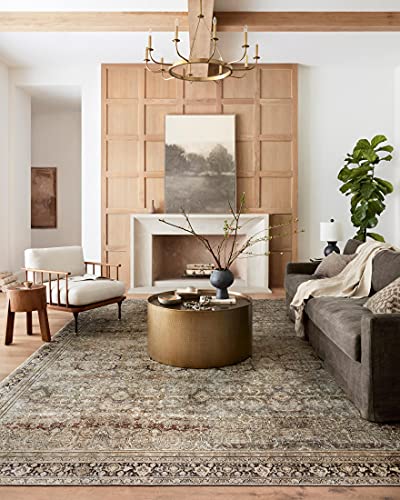
The Layla is a printed vintage-style rug with a distressed medallion pattern, made for rooms where you want the look of an antique rug with easy upkeep. Its very low pile will not block doors and vacuums cleanly, which makes it a practical first rug for living rooms and dining spaces.
Specs:
– Format: Area rug, single piece
– Size: 5 ft x 7 ft 6 in, rectangular
– Pile height: 0.13 in, low pile
– Construction: Printed design, non-shedding
– Pattern: Vintage distressed medallion, olive and charcoal
– Care: Vacuum regularly, spot clean
2. SAFAVIEH Milan Shag Collection Area Rug (SG180-1212), 6 x 9 ft, Ivory — Area Rug, Mid-Range Tier
The Milan Shag is the comfort pick: a plush two-inch pile that gives bedrooms and lounge corners a soft, warm landing. The solid ivory colour keeps the deep texture from overwhelming a room, and the non-shedding construction keeps upkeep simpler than most shag rugs.
Specs:
– Format: Area rug, single piece
– Size: 6 ft x 9 ft, rectangular
– Pile height: 2 in plush shag pile
– Material: Synthetic polypropylene pile
– Construction: Power-loomed, non-shedding
– Pattern: Solid ivory
– Care: Vacuum on a high setting, spot clean
3. SAFAVIEH Casablanca Collection Area Rug (CSB975F), 9 x 12 ft, Grey and Ivory — Area Rug, Premium Tier

The Casablanca is a handmade wool rug with a textured Moroccan pattern, sized to anchor a full living room or sit under a large dining set. Wool brings natural resilience and a dense feel underfoot that synthetic rugs imitate but rarely match, and the large format covers a generous zone in one piece.
Specs:
– Format: Area rug, single piece
– Size: 9 ft x 12 ft, rectangular
– Material: Wool pile
– Construction: Handmade, textured weave
– Pattern: Moroccan, grey and ivory
– Use: High-traffic living rooms, bedrooms and dining rooms
– Care: Vacuum without a beater bar, professional clean for deep cleans
4. Achim Nexus Self Adhesive Carpet Tiles, 12 x 12 in, Smoke Grey, 12 Tiles — Carpet Tile, Budget Tier

The Nexus tiles are the entry point to the tile format: one-foot squares with a self-adhesive backing that you peel and press into place. A box covers a small zone, and several boxes together carpet a bedroom, kitchen or bathroom floor in an afternoon, with individual squares replaceable if one gets stained.
Specs:
– Format: Carpet tiles, 12 tiles per box
– Tile size: 12 in x 12 in each
– Coverage: 12 sq ft per box
– Installation: Self-adhesive peel and stick
– Model: NXCRPTSM12
– Colour: Smoke grey
– Use: Kitchens, dining rooms, bedrooms and bathrooms
5. Mohawk Home Peel and Stick Carpet Tile, 24 x 24 in, Grey, 15 Tiles — Carpet Tile, Mid-Range Tier

Mohawk’s larger two-foot squares cover ground faster than one-foot tiles and give a more seamless result, with 60 square feet per box. The low polyester pile is rated for indoor and outdoor use, so the same box can carpet a basement, a laundry room or a covered porch, and the peel-and-stick backing keeps installation tool-light.
Specs:
– Format: Carpet tiles, 15 tiles per box
– Tile size: 24 in x 24 in each
– Coverage: 60 sq ft per box
– Pile height: 0.25 in
– Material: Polyester face and backing
– Installation: Peel and stick
– Use: Indoor and outdoor areas
How to Choose Between Them
Start with the shape of the job. If you are dressing one seating area or the floor beside a bed, an area rug in the right size is simpler, softer and easier to change later. Measure your furniture layout first: front legs of sofas and chairs should sit on the rug, and a dining rug should extend beyond the table on all sides so chairs stay on it when pulled out.
If the job is a whole room, an awkward footprint, a basement, a rental you cannot alter permanently, or a space where spills are a weekly event, carpet tiles are the stronger format. Count your square footage, divide by the coverage per box, and add extra tiles for cutting waste and future replacements. Check pile height against door clearance, and confirm your floor surface suits adhesive tiles before ordering.
Budget works differently across the two formats. Rugs are priced as single pieces, so a premium wool rug is one decision. Tiles spread the same spend across boxes, which lets you carpet in stages — though the total for a full room in a quality tile can approach a mid-range rug. The tiers in this guide are relative guides to positioning, not quality guarantees, so compare pile, material and construction within your tier.
Who Should Skip Each Format
Skip area rugs if your room has an irregular shape that standard sizes cannot serve, if you need true wall-to-wall coverage, or if a single permanent stain would mean replacing a costly piece. Skip carpet tiles if you want deep plush comfort, an ornate one-piece pattern, or a floor covering you can roll up and take with you when you move. Renters in short lets usually favour rugs; landlords and playroom planners usually favour tiles.
FAQ
Can carpet tiles be laid over hard floors without damaging them?
Peel-and-stick tiles are designed for clean, smooth, dry floors, and they lift up again when you need them to, which is why they are popular in rentals. Always check the tile maker’s guidance for your floor type, and avoid laying adhesive tiles over waxed or freshly sealed surfaces.
Do area rugs need a pad underneath?
A pad is strongly recommended. It stops the rug sliding, adds cushioning that makes even a low-pile rug feel better, and reduces wear on both the rug backing and the floor beneath. On hard floors it also helps the rug lie flat at the corners.
Which format is better for homes with pets and children?
Carpet tiles have the edge for accidents, because a single stained square can be lifted, washed or replaced. If you prefer a rug, choose a low-pile, non-shedding design that vacuums easily and hides everyday marks, like the printed Layla above.
Can I mix carpet tiles to make a pattern?
Yes. Alternating two colours in a checkerboard, or rotating each tile a quarter turn so the pile direction shifts, creates pattern from plain squares. Order all tiles for a patterned layout at the same time so colours come from the same production batch.
Conclusion
Area rugs and carpet tiles both warm up hard floors, but they solve different problems. The rug is a finished decorative piece — faster to lay, softer underfoot, richer in pattern, and portable when you move. The tile is a system — custom-fitted to any footprint, seamless across a whole room, and forgiving when life leaves a stain, because one square swaps out in minutes. Match the format to your room shape, your tolerance for upkeep and how long you plan to stay, and either one will serve you well.