Our Short List of 3
All 3 Picks at a Glance
| Product | Specs | Action |
|---|---|---|
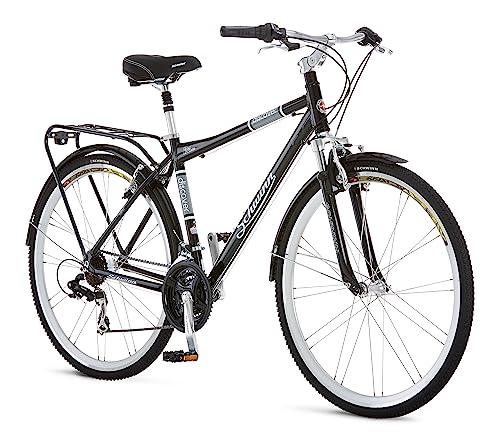 1. Schwinn Discover Adult Hybrid Bike | Check price on Amazon | |
 3. sixthreezero EVRYjourney Women’s Step-Through Hybrid Bike | Check price on Amazon | |
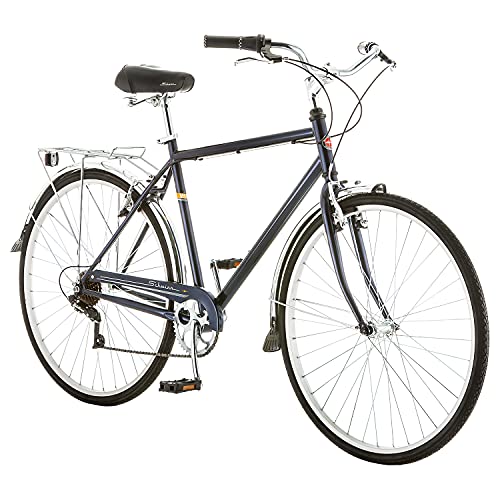 4. Schwinn Wayfarer Adult Hybrid Bike | Check price on Amazon |
Key takeaways
- Commuter bikes compared for daily riding: hybrid and step-through models with racks, fenders and practical gearing for work, errands and bike paths.
As an Amazon Associate we earn from qualifying purchases.
Affiliate Disclosure: This article contains affiliate links. If you buy through a link on this page, we may earn a commission at no extra cost to you. Product details are taken from manufacturer and retailer listings, and availability should be confirmed on the product page before ordering.
The best bike for commuting is rarely the fastest bike or the lightest bike. It is the bike you will actually ride on a grey Tuesday morning when you are half awake, carrying a laptop, a change of clothes and a lock, over roads that are wet, patched and shared with traffic. That means a comfortable upright position you can hold without wrist or back complaints, gearing that handles the one annoying hill on your route without drama, tyres wide enough to shrug off rough tarmac and tram tracks, and, ideally, a rack and mudguards already fitted so your work clothes and your bag stay dry. Every bike in this guide was chosen against that real-world test, not against a race-day one.
This guide covers pedal-powered hybrid and comfort commuter bikes that are sold as complete bikes for everyday transport. It does not cover electric bikes, which are a separate purchase with motors, batteries and different rules in many places, and it does not cover drop-bar road racing bikes, which prioritise speed over the rack mounts, visibility and low-speed manners that commuting rewards. If your commute mixes city streets, cycle paths and the occasional canal towpath or park cut-through, the hybrid format below is the most forgiving place to start.
What makes a bike good for commuting
Start with riding position. A hybrid’s flat or swept-back handlebar puts you upright enough to see over traffic and be seen, and it makes shoulder checks easy, which matters more on a commute than aerodynamics ever will. Next, look at the contact points and the weather kit. A padded saddle you can ride in work trousers, full or partial fenders, and a rear rack for panniers will do more for your daily comfort than a small saving in weight.
Gearing should match your route, not a brochure. A single chainring with seven speeds is enough for a flat city commute and keeps shifting simple, with one lever to think about in traffic. A wider-range setup with twenty-one speeds earns its place if your route has sustained climbs or if you regularly carry a loaded pannier, because the lower gears keep a heavy bike moving without standing on the pedals. Neither is automatically better; the honest question is what your five hardest minutes of riding look like.
Tyre width is the quiet hero of commuting. The 700c wheels on these hybrids roll efficiently on tarmac, and tyres in the middle width range balance that efficiency with enough cushion and grip for wet leaves, painted lines and broken edges. Check the stated rider height range and weight capacity for each model before ordering, because commuter bikes are not one-size machines, and a frame that is too large will make every junction and dismount harder than it needs to be.
Finally, think about the whole commute, not just the ride. Where will the bike live at home and at work? Will you carry it up stairs or lift it onto a train? A steel frame is durable and calm-riding but heavier to carry; an aluminium frame saves some effort on stairs. All of the bikes here arrive partially assembled, so budget time and basic tools for setup, or pay a local bike shop for a build and safety check, which is money well spent if you are not confident with brakes and gears.
How we compared these bikes
Each model below was checked for commuter-specific equipment rather than headline marketing: rack and fender provision, number and range of gears, wheel size, frame style and fit range, and whether the maker’s own description names commuting as an intended use. Specifications come from the product listings and maker descriptions. We favoured complete, practical packages from established bike brands over novelty designs, and we kept the list to conventional pedal bikes so the comparison stays fair. Where a model comes in step-over and step-through versions, or men’s and women’s versions, that is stated so you can choose the frame that suits how you mount the bike in work clothes.
The picks
1. Schwinn Discover Adult Hybrid Bike
The Schwinn Discover is the most commute-ready package in this list out of the box. It pairs a 700c wheelset with a twenty-one speed drivetrain using SRAM grip shifters, an aluminium city frame, a suspension fork and a suspension seat post with a padded saddle. Crucially for commuters, it comes with front and rear fenders and a rear cargo rack already fitted, which is the combination most riders end up buying separately within their first wet month of riding to work.
The swept-back upright handlebar with an adjustable stem suits the heads-up riding position that commuting rewards, and the Promax alloy linear pull brakes are a familiar, easy-to-service design that any bike shop can maintain. The Discover is offered in step-through and step-over frame versions, which makes it one of the easier recommendations for households where two riders of different heights and confidence levels might share one commuter, provided the frame size suits them both.
Choose the Discover if your route is longer, hillier or rougher than a simple flat hop, because the wider gear range, fork and seat post suspension all earn their keep over distance and broken surfaces. It is the heaviest-featured option here in terms of equipment, so if your commute involves carrying the bike up several flights of stairs every day, weigh that routine honestly against the comfort it gives you on the road.
2. sixthreezero EVRYjourney Men’s Hybrid Bike
The sixthreezero EVRYjourney men’s model takes a different approach: a sleek nineteen inch aluminium frame, twenty-six inch wheels and a seven-speed drivetrain tuned for an upright, relaxed riding posture. The maker describes it as a hybrid commuter bicycle for cruise, leisure, commute and casual to up-tempo rides across multiple terrain types, states a rider capacity of up to three hundred pounds, and gives a fit range from five feet to six feet four inches tall, which covers a broad span of adult riders.
The smaller wheel size and upright geometry make the EVRYjourney easy to handle at low speed, in bike lanes and around pedestrians, and the riding position is deliberately comfort-first, with the rider sitting tall rather than stretched out. A rear rack is part of the model’s touring-style setup, so carrying a pannier or strapping down a bag is straightforward. Seven speeds keep the shifting simple, with a single intuitive control, which many daily riders prefer in stop-start traffic.
Pick the EVRYjourney men’s bike if your commute is mostly flat to gently rolling and you value comfort and an easy, confidence-inspiring ride over maximum gear range. Riders with a genuinely hilly route should look harder at the twenty-one speed Schwinn above, because this bike’s simpler gearing is a deliberate trade-off in favour of ease of use.
3. sixthreezero EVRYjourney Women’s Step-Through Hybrid Bike
The women’s EVRYjourney uses the same proven idea in a low step-through frame: a swooping frame design that lets you get on and off without swinging a leg high over the saddle, which is a genuine daily benefit if you ride in a skirt, in tailored work clothes, or with a loaded rear rack that makes a high leg swing awkward. It is a seven-speed step-through touring hybrid with twenty-six inch wheels, an aluminium frame in its common configuration, a rear rack and fenders in the model’s standard trim, and an upright posture designed to keep your back and shoulders relaxed.
sixthreezero positions this model squarely at commuting and leisure riding, and its comfort geometry suits riders returning to cycling after a break, which describes a large share of new commuters. The step-through design also helps at lights and junctions, where frequent stops make easy mounting and dismounting more than a convenience.
Choose this version if step-through access is the deciding factor in whether you will ride every day. As with the men’s model, the seven-speed range suits flatter routes best, and you should confirm the exact frame material, colour and size variant on the product page, because this model family is sold in several configurations under closely related listings.
4. Schwinn Wayfarer Adult Hybrid Bike
The Schwinn Wayfarer is the retro-styled option: a steel frame, 700c wheels, a seven-speed drivetrain, front and rear linear pull brakes, fenders and a rear rack, in step-over and step-through versions. The step-over version uses an eighteen inch medium steel frame, and the step-through version uses a sixteen inch small steel frame, so check which variant a given listing is selling before you order, because the frame style and size are part of the product selection, not an afterthought.
Steel gives the Wayfarer a calm, durable ride and a classic look that many commuters prefer to the more athletic styling of aluminium hybrids, and the included rack and fenders keep it practical rather than purely decorative. The seven-speed drivetrain is enough for flat and lightly rolling urban routes, and the upright comfort geometry suits errands, station runs and steady rides to work.
The trade-off is weight and gear range: a steel frame is heavier to carry up stairs, and seven speeds will feel limited on a hilly commute with a loaded bag. For a mostly flat route where the bike lives in a hallway, garage or workplace store rather than being carried daily, the Wayfarer is a durable, good-looking commuter that asks little of its owner beyond basic brake and tyre care.
Sizing, setup and the first two weeks
Whichever bike you choose, sizing decides whether commuting sticks. Use the maker’s stated height range as a starting point, then set the saddle so your knee keeps a slight bend at the bottom of the pedal stroke; a saddle set too low is the most common cause of knee discomfort for new commuters. Pump the tyres to the pressure range printed on the sidewall, and recheck weekly, because soft tyres are the main cause of both sluggish rides and punctures.
Plan the accessories alongside the bike, not after the first bad day. A good lock, lights for dawn, dusk and winter riding, and a pannier or rack bag will matter more to your commute than any upgrade to the bike itself. If your workplace has no secure parking, that lock budget deserves to grow. Likewise, keep a simple routine: a quick brake and tyre check each Monday, chain lubrication when it looks dry, and a shop service after the first month, when cables have settled and small adjustments are normal on any newly built bike.
Verdict
For most riders, the Schwinn Discover is the easiest recommendation: it arrives with the rack, fenders, gear range and comfort equipment a commuter needs, in both frame styles. The sixthreezero EVRYjourney models are the comfort-first alternatives, with the step-through women’s version the friendliest option for riders who value easy mounting above all. The Schwinn Wayfarer suits flat routes and riders who prefer a classic steel bike. None of these bikes asks you to dress like a racer or maintain a machine like a mechanic, and that, more than any single specification, is what makes a bike the best bike for commuting: it fits your route, your clothes and your routine, so you keep riding it.