Our Short List of 3

- Best for: A fast optical harvest check with no phone or charging.
- 60x to 120x magnification with zoom control
- Built-in LED illumination
- Aspheric lens system for edge-to-edge clarity
- Runs on one AA battery

- Best for: Daily pocket checks with a quick switch between a wide scan and close detail.
- Dual magnification: 30x and 60x glass lenses
- 30x lens diameter of 22 mm; 60x lens diameter of 12 mm
- Integrated LED illumination for each lens
- Folding aluminum swivel case
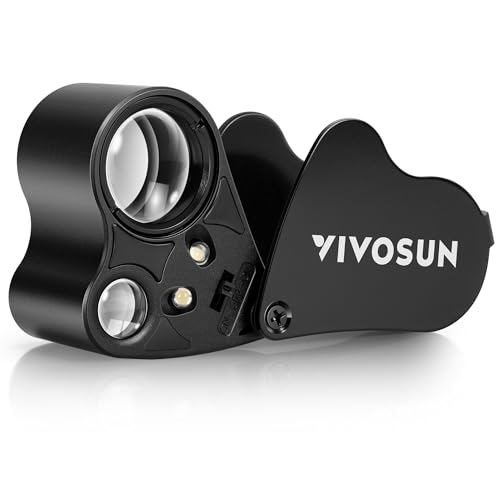
- Best for: A first loupe for a new grower who wants a clear harvest signal on a small budget.
- Dual magnification: 30x and 60x lenses
- Built-in LED light
- Foldable aluminum body
- Glass optics
All 5 Picks at a Glance
| Product | Specs | Action |
|---|---|---|
| Carson MicroBrite Plus MM-300 |
| Check price on Amazon |
| AC Infinity Jewelers Loupe AC-JWA3 |
| Check price on Amazon |
| VIVOSUN 30X 60X Illuminated Loupe |
| Check price on Amazon |
 Skybasic Wireless Digital Microscope |
| Check price on Amazon |
 TOMLOV P10 Handheld Microscope |
| Check price on Amazon |
Key takeaways
- Find the best scope for checking trichomes, from 30x loupes to a 1000x WiFi microscope, and learn how to read clear, cloudy, and amber heads.
Harvest timing comes down to a detail the naked eye cannot settle. Trichome heads shift from clear to cloudy to amber as buds mature, and that color shift is the most reliable signal of when to cut. A scope that is too weak blurs the heads into a frosty haze, while one that is too strong turns every check into a shaky, narrow hunt for focus. The right tool shows individual heads clearly enough to judge their color, without a stand, a laptop, or a long setup.
This guide is for home growers who want to time a harvest with confidence, whether they check one plant in a tent or several plants across a grow room. The five scopes below were chosen from names and specifications on their Amazon product pages, covering pocket loupes, an optical pocket microscope, and two digital options, so there is a fit for a quick glance and for a photo record.
Quick Picks
As an Amazon Associate we earn from qualifying purchases
| Product | Best for | Key spec from title |
|---|---|---|
| Carson MicroBrite Plus MM-300 | A fast optical check with no phone | 60x-120x zoom |
| AC Infinity Jewelers Loupe AC-JWA3 | Pocket carry with two magnifications | 30x and 60x dual lenses |
| VIVOSUN 30X 60X Illuminated Loupe | A first loupe on a small budget | 30x and 60x dual lenses |
| Skybasic Wireless Digital Microscope | Photos and video on a phone screen | 50x-1000x WiFi microscope |
| TOMLOV P10 Handheld Microscope | Screen viewing without a phone | Fixed 100X with 2-inch screen |
How to Choose
Magnification That Shows Trichome Heads Clearly
Thirty times magnification is the floor for judging trichome color. At 30x, cloudy heads separate from clear ones well enough to read a harvest window. Sixty times shows individual heads and their stalks, which helps when only a few heads have turned amber. A 100x to 120x view adds detail for close inspection, but anything far above that is hard to hold steady by hand, and digital zoom figures on cheap scopes are often inflated. Pick a scope whose optical magnification sits between 30x and 120x for everyday checks, and treat a 1000x claim as marketing unless the listing explains how the sensor reaches it.
Optical Loupe or Digital Screen
An optical loupe gives an instant view with no app, no charging, and no screen glare under grow lights. It suits a fast check between watering rounds, and it folds into a pocket when done. A digital scope sends the image to a phone or its own screen, which makes it easier to photograph the same bud day after day and compare how the heads change. Digital models need a charged battery and a steady hand or a stand, and the cheapest ones soften badly past about 200x. Choose optical for speed and simplicity, and digital when a photo record matters more than a ten-second glance.
Light, Focus, and Lens Quality
Trichome color reads wrong under purple grow lights, so built-in white LED lighting matters more than it first seems. A scope with its own light shows clear, cloudy, and amber heads in their true colors, even inside a tent. Glass lenses stay sharper at the edges than plastic ones, and an aspheric lens keeps the center and the edges in focus together. A focus ring lets you sharpen the view on a curved bud, while fixed-focus models demand an exact distance from the surface. Check the listing for the light type, the lens material, and whether focus is manual or fixed before buying.
Steadiness and Working Distance
A loupe pressed gently against a bud is steadier than a scope held an inch away in the air, because the bud itself braces the tool. Digital scopes with a small stand or a phone clip hold still longer, which matters for photos. Working distance is the gap between the lens and the bud at focus, and a very short one means the lens nearly touches sticky resin, which then needs cleaning. Hold the plant stem still with one hand, brace the scope with the other, and take the reading from a sugar leaf near the top of a cola for the most consistent result.
The 5 Best Options
Carson MicroBrite Plus MM-300
- Best for: A fast optical harvest check with no phone or charging.
- 60x to 120x magnification with zoom control
- Built-in LED illumination
- Aspheric lens system for edge-to-edge clarity
- Runs on one AA battery
A fast optical harvest check with no phone or charging.
Manual focus takes a steady hand, and there is no way to capture a photo of what you see.
The MicroBrite Plus is the classic pocket microscope for growers who want a real optical view without a screen or an app. Its zoom range covers the exact band where trichome heads go from a frosty blur to distinct milky and amber dots, and the aspheric lens keeps the image sharp across the zoom range instead of softening at the edges. A single AA battery powers the LED, so there is nothing to charge, and the whole unit fits in a shirt pocket between checks. It is the simplest tool here, and for a straight harvest decision it is often the only one a grower reaches for.
Watch out for: Manual focus takes a steady hand, and there is no way to capture a photo of what you see.
AC Infinity Jewelers Loupe AC-JWA3
- Best for: Daily pocket checks with a quick switch between a wide scan and close detail.
- Dual magnification: 30x and 60x glass lenses
- 30x lens diameter of 22 mm; 60x lens diameter of 12 mm
- Integrated LED illumination for each lens
- Folding aluminum swivel case
Daily pocket checks with a quick switch between a wide scan and close detail.
The 60x lens has a small 12 mm viewing area, so finding a single head takes a moment.
The AC Infinity loupe packs two magnifications into a unit that weighs less than an ounce, which makes it the easiest scope here to carry every time you enter the grow room. The 30x lens gives a wide view for scanning a cola, and the 60x lens zooms in on individual heads when the harvest call is close. Each lens has its own LED, so the light follows whichever magnification you are using, and the folding aluminum case protects the glass in a pocket. Growers who check plants daily will appreciate how little friction this tool adds to the routine.
Watch out for: The 60x lens has a small 12 mm viewing area, so finding a single head takes a moment.
VIVOSUN 30X 60X Illuminated Loupe
- Best for: A first loupe for a new grower who wants a clear harvest signal on a small budget.
- Dual magnification: 30x and 60x lenses
- Built-in LED light
- Foldable aluminum body
- Glass optics
A first loupe for a new grower who wants a clear harvest signal on a small budget.
The 60x view has a narrow field, so scan at 30x first and switch to 60x only for a closer look.
The VIVOSUN loupe covers the same two magnifications as the AC Infinity model in a straightforward folding design, and it is the lowest-cost way into proper trichome inspection. The 30x lens reads the overall color of the heads across a bud, while the 60x lens confirms whether the first amber heads have appeared. Built-in LED lighting keeps the color reading honest under grow lights, and the foldable aluminum body with glass optics survives being tossed in a toolkit. For a first-time grower who needs a reliable harvest signal without spending much, this is the sensible starting point.
Watch out for: The 60x view has a narrow field, so scan at 30x first and switch to 60x only for a closer look.
Skybasic Wireless Digital Microscope
- Best for: Photographing trichomes over several days to track the shift from clear to cloudy to amber.
- 50x to 1000x magnification range
- WiFi and USB connectivity for phones and computers
- 8 adjustable LED lights
- 2MP HD CMOS sensor with 1080p photo and video capture
Photographing trichomes over several days to track the shift from clear to cloudy to amber.
The view needs a phone, the app, and a WiFi hotspot connection, and the image softens well before the claimed top magnification.
The Skybasic turns a phone into a trichome camera, which changes the job from a one-time glance to a record you can compare across days. Its WiFi connection streams the magnified view to an iPhone, Android phone, or computer, and the 8 adjustable LEDs let you tune the light until the heads show their true color. A 2MP sensor captures photos and video at 1080p, so you can save a shot of a cola on Monday and compare it with Friday before deciding to cut. The included adjustable stand holds the scope steady for those photos, which is a real advantage over holding a loupe to a swaying branch.
Watch out for: The view needs a phone, the app, and a WiFi hotspot connection, and the image softens well before the claimed top magnification.
TOMLOV P10 Handheld Microscope
- Best for: Screen viewing and photo records without a phone, an app, or a computer.
- Fixed 100x magnification with 4x digital zoom
- 2-inch LCD screen with live view
- 16MP camera with 300-photo built-in memory
- White and UV LED lighting
Screen viewing and photo records without a phone, an app, or a computer.
Fixed focus means the lens must sit 0.3 inches from the bud, and the runtime covers short sessions rather than long inspection rounds.
The TOMLOV P10 is the pick for growers who want a screen but do not want to involve a phone. Its fixed 100x magnification sits right in the useful band for trichome heads, and the 2-inch LCD shows the view live, so two people can look at the same bud without passing a loupe back and forth. A 16MP camera saves photos to built-in memory, and white plus UV LEDs give two lighting choices for the check. At under four ounces it is light enough to carry through a grow room, and the fixed focus removes one adjustment from a job that already demands steady hands.
Watch out for: Fixed focus means the lens must sit 0.3 inches from the bud, and the runtime covers short sessions rather than long inspection rounds.
Which One Fits Your Situation
A Quick Harvest Check in the Grow Room
Pick the AC Infinity loupe or the VIVOSUN loupe. Both fold into a pocket, light up with their own LEDs, and show trichome color in seconds without a phone or a stand. Scan at 30x, switch to 60x when the call is close, and you have your answer before the plant has time to sway.
Tracking Trichome Color Over Several Days
Pick the Skybasic microscope or the TOMLOV P10. Both save photos, so you can compare the same cola from one day to the next instead of trusting memory. The Skybasic suits a grower who already carries a phone, while the P10 suits one who wants the screen built in.
A First Scope on a Tight Budget
Pick the VIVOSUN loupe. It covers the two magnifications that matter for a harvest decision, includes LED lighting, and costs less than the other picks while still using glass optics. Learn to read clear, cloudy, and amber heads with it before spending more on a digital model.
Checking a Live Plant Without Cutting Anything
Pick the Carson MicroBrite Plus or the Skybasic with its stand. The Carson braces gently against a sugar leaf for a quick optical look, while the Skybasic stand holds the lens steady beside a cola for a photo. Both let you judge the plant as it stands, with no sample removed.
Common Mistakes
- Judging harvest readiness by pistil color alone instead of reading the trichome heads, which give a far more reliable signal.
- Buying the highest magnification number on the listing, then finding the view too shaky and too narrow to use on a live plant.
- Checking trichomes under purple grow lights with no white light, which makes clear and cloudy heads look alike.
- Pressing the lens hard into a bud and crushing the trichome heads you are trying to judge.
- Sampling a single bud and assuming the whole plant matches, when top colas often mature faster than lower buds.
Frequently Asked Questions
What magnification do you need to check trichomes?
Thirty times magnification is enough to tell clear heads from cloudy ones, and 60x shows individual heads clearly enough to spot the first amber ones. A 100x to 120x view adds detail for close inspection. Magnification far above that is hard to hold steady by hand and adds little to a harvest decision.
Can you check trichomes with a phone camera alone?
A bare phone camera cannot resolve individual trichome heads, because its lens is built for room-scale scenes rather than close macro work. A clip-on phone scope or a WiFi digital microscope that streams to the phone gives the magnification needed, and it also saves photos for comparing one day with the next.
When are trichomes ready to harvest?
Most growers cut when the majority of heads look cloudy, with a small share turned amber. Clear heads point to a plant that is still maturing, while a large share of amber heads points to a heavier, more sedative effect. The exact mix depends on the effect wanted, so a photo record across several days helps more than a single glance.
Should you check trichomes on a live plant or a cut leaf?
Checking on a live plant is the better habit, because a cut leaf starts to dry and its heads can change appearance within hours. Snip a small sugar leaf only when the bud is out of reach, and read it right away under white light. Compare top, middle, and lower buds before making the final call.